Hope Isn’t a Strategy: Make Your Impact Visible Before it’s Too Late
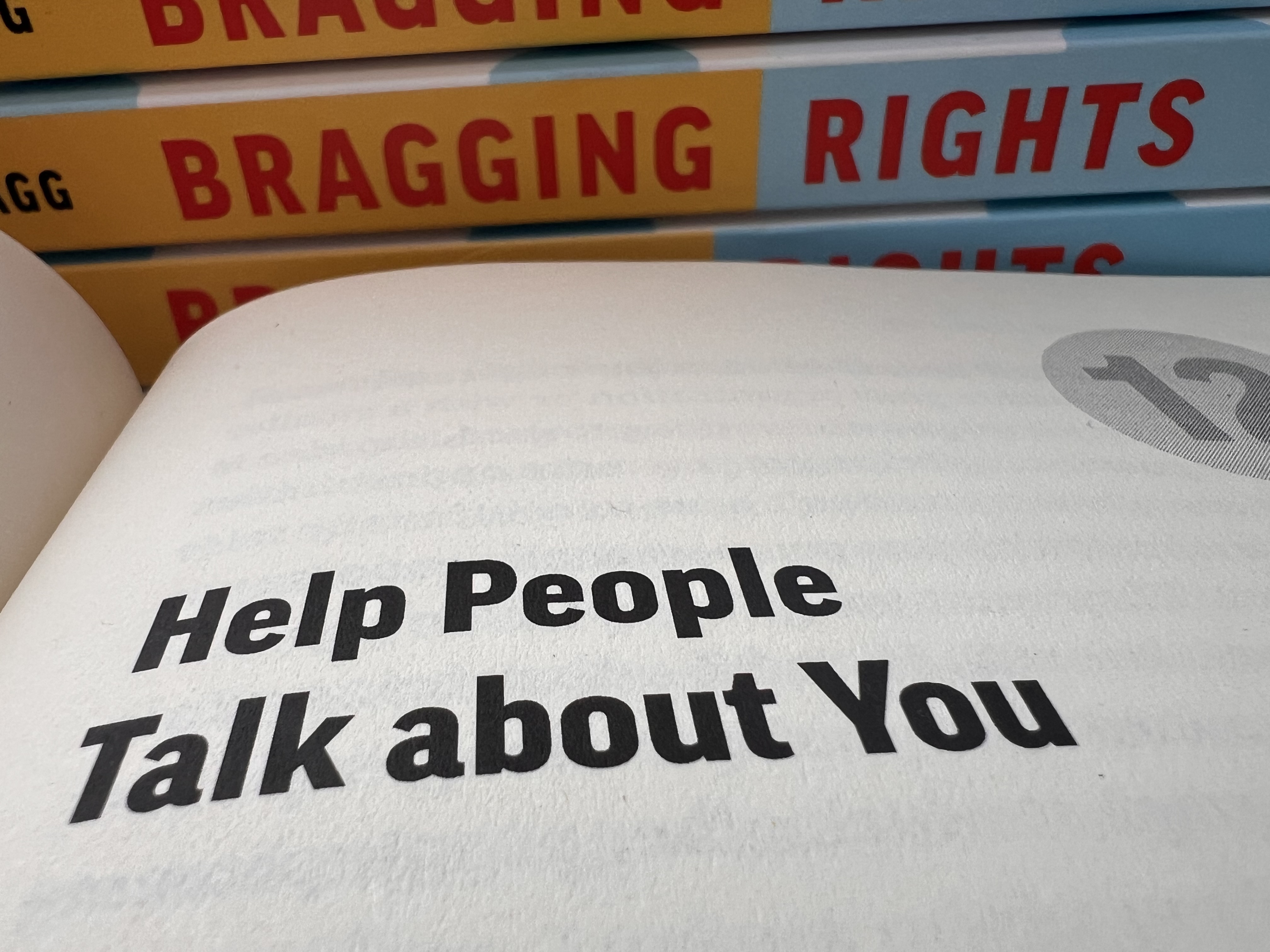
Companies are making tough decisions about who stays and who goes. Even if your industry isn’t in the headlines yet, that doesn’t mean decisions aren’t being made. If budgets are tightening, hiring is frozen, or leadership is suddenly vague about the future, take it as your cue. Now is the time to ensure people remember exactly what you bring to the table.
Too many mid and late-career professionals assume their reputation will carry them. 'I’ve put in the years. People know what I bring.' However, if people don’t see your impact, they won’t think of you when it matters most. If they don’t think of you, they won’t fight to keep you.
Hope isn’t a strategy. Visibility is.
Now is the time to pull together your Brag Book, Smile File, career receipts. Whatever you call it, start gathering proof of your impact before you need it. Client testimonials, performance reviews, thank-you emails, and presentations that showcase your expertise all help. If you don’t document your wins, you make it easier for people to forget them.
At this stage in your career, surface-level wins aren’t enough. Focus on strategic impacts:
- The organizational transformation you led that repositioned your division for growth
- Talent you identified, developed, and elevated who now lead key initiatives
- Client relationships you have maintained through multiple economic cycles
- Cross-functional initiatives where your leadership broke through departmental silos
- The strategic pivot you championed that created new revenue streams
Document not just what you achieved, but the organizational context that made it significant. When you have been somewhere for years, people forget the baseline problems you solved long ago. Remind them of the institutional challenges you have overcome and the legacy systems or processes you improved that others now take for granted.
Self-promotion does not have to mean shouting on LinkedIn. Some of the smartest career moves happen in quiet conversations. Reconnect with former colleagues, mentors, or even that old boss who once said, 'Let’s stay in touch.' Set up coffee chats, not to ask for a job, but to remind people what you do best. A simple, "I’ve been thinking about where I add the most value, and I’d love to hear what’s going on in your world" can open doors.
Layoffs don’t just impact those who lose their jobs. They reshape teams, industries, and career paths. Now is the time to remind decision-makers of your impact, strengthen connections, and set yourself up for what’s next. Your career isn’t something to wait and see about. Make yourself visible now, before decisions are made for you.
Visibility FAQ:
Why is "hope" a dangerous strategy for high-performers?Many professionals believe that if they just work harder, they will be noticed. This "hope strategy" often leads to the visibility barrier, where you become a "hidden gem" that leadership overlooks. In a fast-moving economy, you cannot wait to be discovered; you must proactively articulate your value to stay in the game.
How do I move from a "Hope Strategy" to a "Visibility Strategy"?The first step is overcoming achievement amnesia by treating your wins as objective data. Once you see your achievements as facts rather than feelings, you can use purposeful self-promotion to align your current work with the opportunities you want to attract.
What is the cost of staying invisible in the modern workplace?Beyond personal career stagnation, invisibility contributes to the global $9.6 trillion productivity gap. When leaders don't know who has the expertise to solve a problem, resources are wasted. Taking control of your visibility is an act of service to the organization, ensuring the right person (you) is in the right seat at the right time.
Share this because hope is a feeling, but visibility is a choice—and it's time to choose to be seen.